




The landscape of collegiate athletics is currently navigating a period of unprecedented volatility, prompting federal lawmakers to intervene. Senators Ted Cruz (R-Texas) and Maria Cantwell (D-Wash.) recently introduced the “Protect College Sports Act” to bring order to the system. The proposal gained significant momentum during a Senate Commerce Committee hearing this week, where several high-profile figures from the sports world testified in favor of federal oversight.
This bipartisan legislation seeks to stabilize the chaotic environment surrounding Name, Image, and Likeness (NIL) deals, particularly in high-revenue sports like football and basketball, while safeguarding the future of Olympic and women’s programs. A cornerstone of the bill is granting the NCAA limited antitrust protection. This legal shield would empower the organization to establish and enforce standardized regulations regarding player eligibility and the transfer portal without the constant threat of litigation.
The core components of the Protect College Sports Act include:
- Establishing a uniform national NIL standard to replace the current patchwork of state laws.
- Providing the NCAA and athletic conferences with expanded antitrust safeguards.
- Implementing federal transparency and disclosure mandates for all NIL agreements.
- Increasing oversight of booster activities, third-party collectives, and sports agents.
- Authorizing governing bodies to audit NIL contracts for “fair market value” compliance.
- Granting authorities more control over transfer portal activity and illegal tampering.
- Mandating that institutions provide comprehensive health, academic, and safety protections for athletes.
- Placing restrictions on mid-season coaching changes and hiring practices.
- Codifying the legal framework of the recent House v. NCAA settlement into federal law.
- Enhancing the NCAA’s capacity to enforce rules regarding athlete compensation and eligibility.
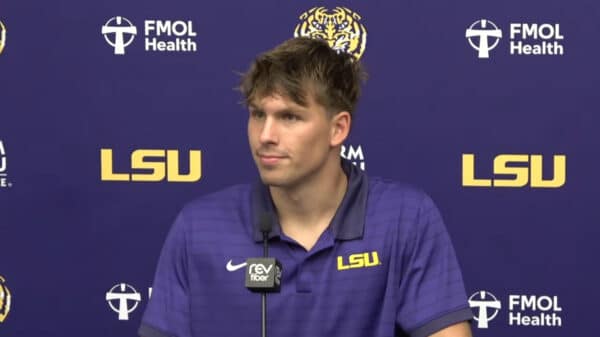
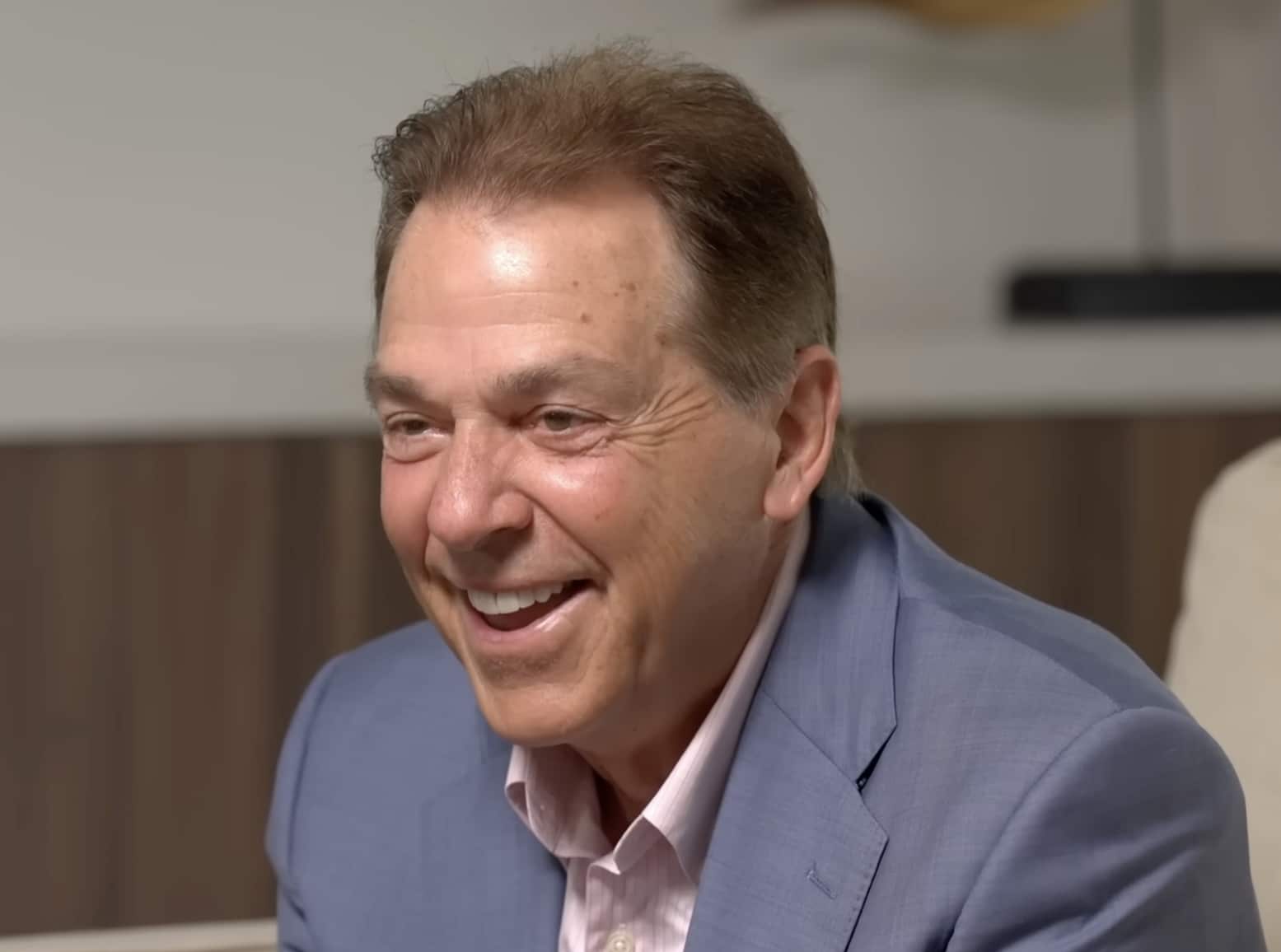
The hearing featured a powerful lineup of witnesses, including former Alabama head coach Nick Saban, Notre Dame athletic director Pete Bevacqua, former multi-university president Gordon Gee, Pac-12 commissioner Teresa Gould, and Utah defensive end Lance Holtzclaw. Over several hours, these experts detailed the systemic pressures facing the NCAA and proposed structural remedies.
Curbing the Influence of NIL Collectives and Pay-for-Play Schemes
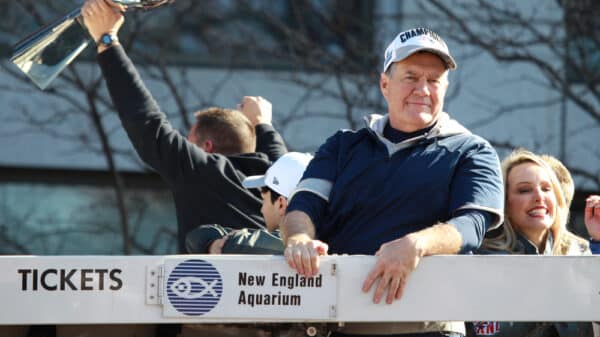
Nick Saban, who concluded a legendary 33-year coaching career following the 2023 season, offered a firsthand account of the financial explosion in roster management. He noted that the cost of maintaining a competitive roster has escalated at an unsustainable rate. Saban recalled that Alabama’s collective initially operated with $2.7 million; that figure surged to $7 million the following year, then $10 million, and has since ballooned to estimates as high as $24 million. He pointed out that some elite programs are now managing rosters valued near $40 million.
Saban characterized the current state of athletic department bidding wars as a “race to the bottom.” He warned that the pressure to spend excessively on rosters often comes at the expense of other athletic programs and overall institutional stability. Both Saban and Bevacqua expressed a desire to limit the influence of external boosters and collectives that currently operate outside the traditional revenue-sharing boundaries.
Bevacqua argued that the revenue-sharing cap established by the House v. NCAA settlement is currently too restrictive. He suggested that raising the cap would allow universities to pay athletes directly with greater transparency, thereby reducing the reliance on “pay-for-play” deals brokered by outside parties. By bringing more compensation “in-house,” Bevacqua believes the system can become more manageable and equitable.
While the Protect College Sports Act aims to regulate these external deals through “fair market value” reviews, it notably does not include provisions to address the rising costs of coaching salaries or contract buyouts.
Implementing Rigorous Standards for Athlete Representatives
A major point of consensus among the witnesses was the need for stricter regulation of sports agents at the collegiate level. Bevacqua and Saban advocated for professionalizing the industry to match the standards seen in the NFL and other pro leagues. Saban highlighted a troubling discrepancy: while NFL agents typically charge 3% to 5% in commissions, some college athletes are being charged as much as 20% by unregulated representatives.
Bevacqua proposed the creation of a national registry or database for agents. He emphasized that 17- and 18-year-old athletes often lack the experience to navigate complex negotiations and are vulnerable to exploitation. A federal cap on agent commissions was suggested as a necessary step to protect the financial interests of student-athletes.
Advocating for Unified Media Rights and Reform in Conference Leadership
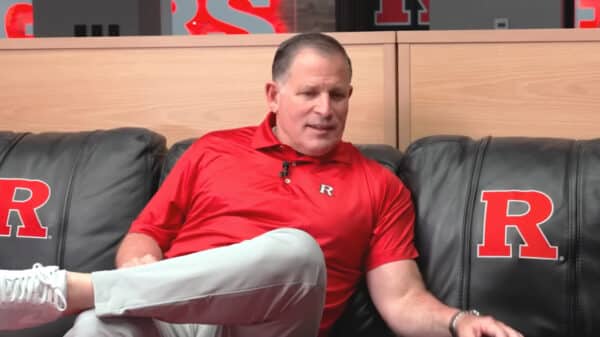
Gordon Gee, who has led five different major universities, provided a candid critique of the current athletic landscape. He attributed much of the instability to conference commissioners, whom he accused of prioritizing profit and media products over the educational mission of the university. Gee argued that university presidents must reclaim authority to ensure the “student” remains a central focus of the “student-athlete” equation.
With athletic departments projected to face a $5 billion shortfall by 2026, Gee suggested that the antitrust protections within the bill could allow conferences to pool their media rights. By negotiating collectively—similar to the models used by the NFL and NBA—colleges could potentially “grow the pie” and secure a more stable financial future for all member institutions.
Pac-12 commissioner Teresa Gould added that the intense economic pressure of recent years has forced decision-makers to prioritize revenue over athlete well-being. She noted that the constant reshuffling of conference alignments has often left the personal and academic needs of the athletes as a secondary consideration.
Preserving the Future of Non-Revenue and Women’s Athletic Programs
Senator Cantwell and the testifying witnesses expressed deep concern over the potential extinction of Olympic and women’s sports. As athletic departments redirect funds toward high-revenue sports, smaller programs are often the first to face budget cuts. Gould noted that institutions outside the “Power” conferences face even greater hurdles in maintaining broad-based athletic programs.
Bevacqua proposed a legislative solution: if the NCAA adopts a higher revenue-sharing cap, a portion of those funds could be earmarked specifically for non-revenue sports. He suggested a model where for every dollar spent over the cap on revenue sports, a percentage (such as 20 or 25 cents) must be reinvested into Olympic and women’s programs to ensure their long-term viability.
Challenges from the Big Ten and SEC Leadership
Despite the support from various stakeholders, the two most powerful conferences in the country—the SEC and the Big Ten—remain skeptical. Shortly before the hearing, the two conferences issued a joint statement opposing the Protect College Sports Act. Their primary concerns involve the loss of institutional adaptability and the potential for increased federal interference to complicate existing revenue-sharing models.
SEC commissioner Greg Sankey has noted that while some form of federal framework is likely necessary to prevent further “fracturing” of the collegiate model, he expressed reservations about the specific language of this bill. The tension between the desire for national standards and the autonomy of the most successful conferences remains a significant hurdle for the legislation’s passage.
Final Thoughts on the Protect College Sports Act
The testimony from figures like Nick Saban and Gordon Gee underscores a pivotal moment for the NCAA. The Protect College Sports Act represents a significant attempt to bring structure to an era defined by rapid financial shifts and legal challenges. While the bill promises to provide much-needed clarity on NIL and agent regulations, the opposition from the SEC and Big Ten suggests that finding a middle ground between federal oversight and conference autonomy will be the defining battle for the future of college sports.