









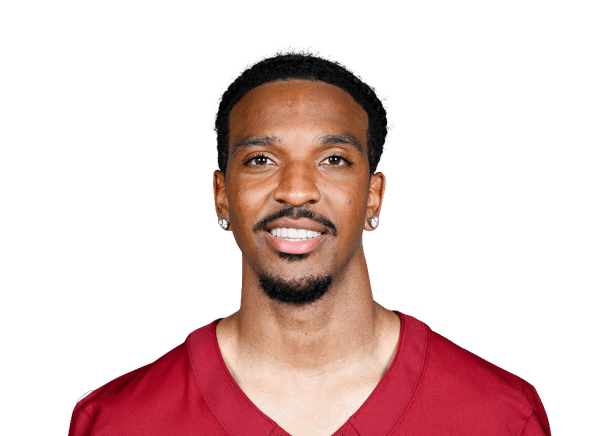
College football is a sport defined by high-stakes drama, but rarely does that tension spill over into jersey assignments months after a star player has departed for the NFL. Just as the season prepares for kickoff, an unusual offseason dispute has emerged between former LSU quarterback Jayden Daniels and his alma mater.
Recent reports indicate that legal representatives for the Heisman Trophy winner have issued a cease-and-desist letter to LSU. The core of the conflict involves the school’s Name, Image, and Likeness (NIL) rights, specifically regarding the decision to assign the No. 5 jersey—worn by Daniels during his historic 2023 campaign—to sophomore defensive back DJ Pickett. The legal move signals a formal withdrawal of Daniels’ permission for the university to utilize his likeness in promotional or commercial capacities.
The situation appears to be driven by Daniels’ management team, which includes his mother, Regina Jackson. Jackson has played a central role in his professional transition, serving as a primary advisor and agent. However, the public nature of the legal threat has seemingly forced Daniels into damage control as he begins his professional career with the Washington Commanders.
On social media, Daniels attempted to distance himself from the administrative friction, expressing his gratitude for his tenure in Baton Rouge while emphasizing that his current focus is strictly on NFL training camp. He noted that the “business of football” can be complicated and expressed hope that the issues between his team and LSU would be handled quietly and professionally.
This rift highlights a significant shift in the modern collegiate landscape. In the NIL era, the relationship between a player and their former school is increasingly transactional. Unlike Joe Burrow, who is cemented as a legendary figure in Louisiana after leading the Tigers to an undefeated national championship, Daniels’ legacy is viewed through a more individualistic lens. While his Heisman-winning season was statistically staggering, it took place during a three-loss regular season, leading to a different level of organizational reverence compared to the Burrow era.
A History of Friction Between Daniels’ Team and Collegiate Programs
This is not the first time Jayden Daniels’ inner circle has clashed with a university. During his time at Arizona State, the program faced scrutiny and eventually severed ties with his mother following allegations of recruiting violations during the COVID-19 dead period. This history of administrative tension has followed the quarterback to the professional ranks, where the optics of a legal battle over a jersey number have raised eyebrows among analysts.
The jersey dispute specifically centers on a perceived double standard. Reports suggest Daniels’ team feels he is being slighted because Joe Burrow’s No. 9 has remained out of rotation since his 2019 championship run. In contrast, LSU head coach Brian Kelly and his staff opted to honor a recruiting promise made to DJ Pickett, who has worn No. 5 since his youth.
While Kelly initially hesitated to reassign the number out of respect for Daniels, the coaching staff ultimately prioritized the commitment made to a current high-impact player. Pickett, for his part, has expressed respect for Daniels but noted that the number was a significant factor in his recruitment process. For a program like LSU, which relies heavily on attracting elite defensive talent, keeping promises to current starters often outweighs the preferences of former players who have already moved on to the professional stage.
LSU’s Complex Jersey Traditions and Number Policies
Managing jersey numbers at a major program like LSU is a logistical challenge. With rosters exceeding 100 players and only 99 available digits, “double-numbering”—where an offensive and defensive player share the same numeral—is a common necessity. LSU also maintains strict internal bylaws regarding retired jerseys, often leaving the final decision to the discretion of the sitting head coach.
The university has a long-standing tradition involving specific numbers, most notably No. 7 and No. 18. The No. 7 is typically reserved for the team’s most dynamic playmaker, while No. 18 is awarded to the player who best represents leadership and character. These traditions have evolved over time; for example, when offensive lineman Will Campbell was selected for the No. 7 honor, he wore his standard No. 66 with a specialized patch to satisfy NCAA equipment regulations.
By giving Pickett the No. 5, the coaching staff is adhering to the modern “best player” philosophy rather than the permanent retirement of numbers. As the legal teams negotiate the use of Daniels’ image, the school must balance the need to honor its recent history with the practical requirements of managing a contemporary roster. Whether LSU finds a middle ground to satisfy its former Heisman winner or continues with its current trajectory remains to be seen.
Final Thoughts: This dispute serves as a cautionary tale for the NIL era, illustrating how quickly the bond between a program and its stars can fray when business interests take center stage. While Jayden Daniels’ on-field achievements at LSU remain undeniable, this legal confrontation underscores the complex new reality where former players view their collegiate legacy as a protected brand rather than just a memory of their college days.