


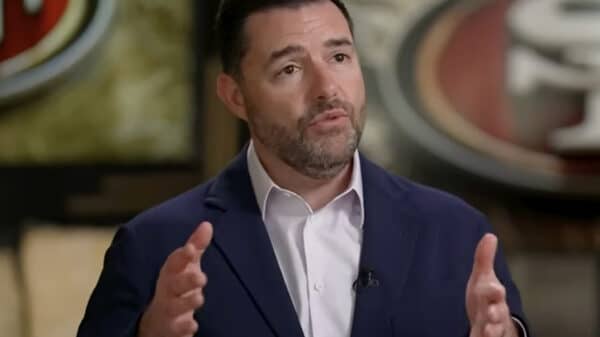
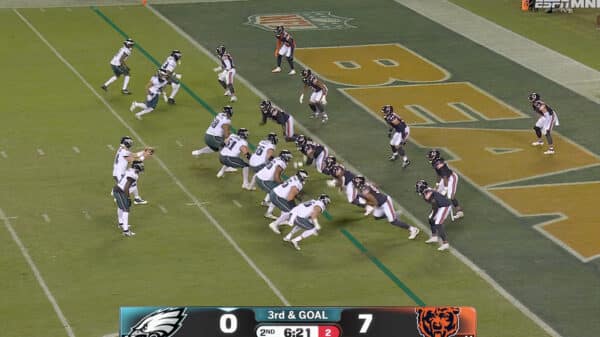





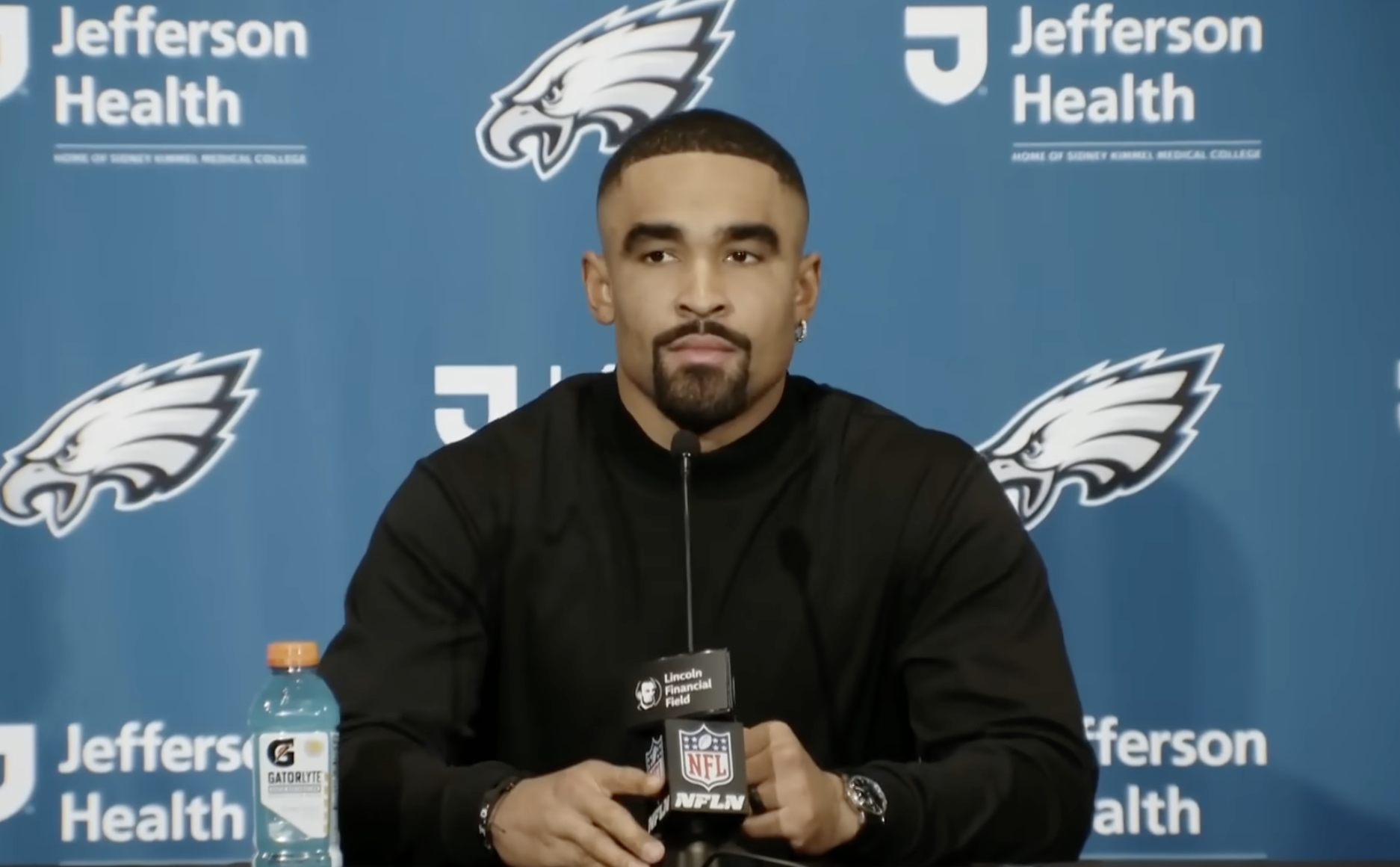
The Philadelphia Eagles possess a roster brimming with championship-caliber talent, yet the true challenge lies in optimization. Sean Mannion has been tasked with a specific mission: to refine the offensive structure, making it more intuitive, high-tempo, and unpredictable for Jalen Hurts. Early reports regarding Mannion’s influence are encouraging, particularly his immediate rapport with the team’s incoming rookies. The overarching objective for the 2026 season is a complete schematic evolution.
For Hurts, this shift represents a significant opportunity. While the Eagles have historically leaned on the individual brilliance of stars like A.J. Brown, DeVonta Smith, and Dallas Goedert, the offense has occasionally struggled with efficiency when initial reads are neutralized. The goal now is to reduce the degree of difficulty on every snap.
Providing Systematic Solutions for Jalen Hurts
With Mannion expected to take over play-calling duties, the Eagles are looking for more than just a fresh perspective; they are seeking a more cohesive system. A successful iteration of this offense will prioritize quick releases and improved rhythm. By incorporating more pre-snap motion, play-action designs, and intermediate throws, Philadelphia can alleviate the pressure on Hurts to hold the ball while waiting for vertical routes to develop.
While Hurts excels at navigating broken plays and creating off-script, the Eagles’ long-term success depends on reducing the frequency of those high-stress situations. A structured environment allows the quarterback to play with better timing, ensuring the ball moves efficiently regardless of defensive pressure.
Maximizing the Intermediate Passing Game
In recent years, the Philadelphia passing game has often lived on the perimeter or relied heavily on the rushing attack. Under Mannion’s guidance, there is a clear push to exploit the middle of the field. Utilizing crossing routes, quick seams, and in-breaking patterns forces a defense to protect every inch of the turf, creating spacing issues that were not as prevalent last season.
This West Coast-inspired approach is a natural fit for Hurts’ development. It offers “easy” completions and clearer progressions, allowing him to distribute the ball on schedule. Rather than hunting for the big play on every dropback, the offense can sustain drives through better sequencing and high-percentage throws.
Draft Strategy Aligns With Schematic Changes
The Eagles’ recent draft picks signal a commitment to this new offensive philosophy. By trading up to secure Makai Lemon at No. 20, Philadelphia added a dynamic weapon capable of winning from the slot. Lemon’s reliable hands and ability to generate yards after the catch (YAC) make him a perfect fit for a timing-based system that values quick wins over the middle.
The addition of second-round pick Eli Stowers further diversifies the arsenal. Stowers, a former quarterback and Mackey Award winner, provides a unique athletic profile at tight end. His ability to stretch the seam and challenge linebackers or safeties gives Mannion a versatile tool to disguise looks and force defenses to reveal their coverage strategies before the snap.
Roster Management and Defensive Balance
General Manager Howie Roseman’s aggressive maneuvering during the draft weekend facilitated this transition while maintaining defensive stability. By navigating trade discussions effectively, Roseman managed to move up for Lemon while also securing elite talent for the other side of the ball. This was highlighted by the acquisition of veteran edge rusher Jonathan Greenard.
Greenard brings a proven track record of production to Vic Fangio’s defense, having recorded consecutive seasons with double-digit sacks prior to an injury-shortened 2025. This balance ensures that while the offense is being retooled for efficiency, the defense remains capable of protecting leads and creating turnovers.
The Implementation of a High-Efficiency Plan
While the initial feedback on Mannion is positive, the true test will occur during the regular season. Play design is only as effective as its execution, and the primary goal remains helping the quarterback stay on schedule. Hurts has already demonstrated his ability to win on the biggest stages; the next step is making the passing game feel fluid even when the primary option is taken away.
The objective is to provide Hurts with “layups”—high-percentage throws that keep the chains moving. This doesn’t mean abandoning the explosive plays that Brown and Smith provide, nor does it mean moving away from a dominant run game. Instead, it is about connecting these elite components within a framework that offers cleaner reads and more consistent production.
With an elite offensive line, premier playmakers, and a dual-threat quarterback, Philadelphia has all the ingredients for success. Mannion’s role is to ensure those pieces operate in sync, providing a modern offensive reset that matches the high ceiling of the roster.
Summary
The Philadelphia Eagles are entering a pivotal phase of offensive evolution under Sean Mannion. By prioritizing the middle of the field, incorporating West Coast principles, and adding specialized talent through the draft, the team is aiming to simplify the game for Jalen Hurts. Success in 2026 will be defined by the offense’s ability to maintain rhythm and find efficient solutions, ensuring that their star power is supported by a robust and high-percentage schematic foundation.