











Deciphering the Financial Future of the 2023 NFL First-Round Class
The 2023 NFL Draft remains one of the most scrutinized talent hauls in recent memory, primarily due to the heavy investment in the quarterback position. With Bryce Young, C.J. Stroud, and Anthony Richardson going within the first four picks, the league signaled a massive shift in franchise philosophies. However, as the three-year mark approaches, the conversation shifts from potential to payroll. For NFL front offices, the “honeymoon phase” of a rookie contract ends when the calendar hits May, forcing a high-stakes decision on the fifth-year option.
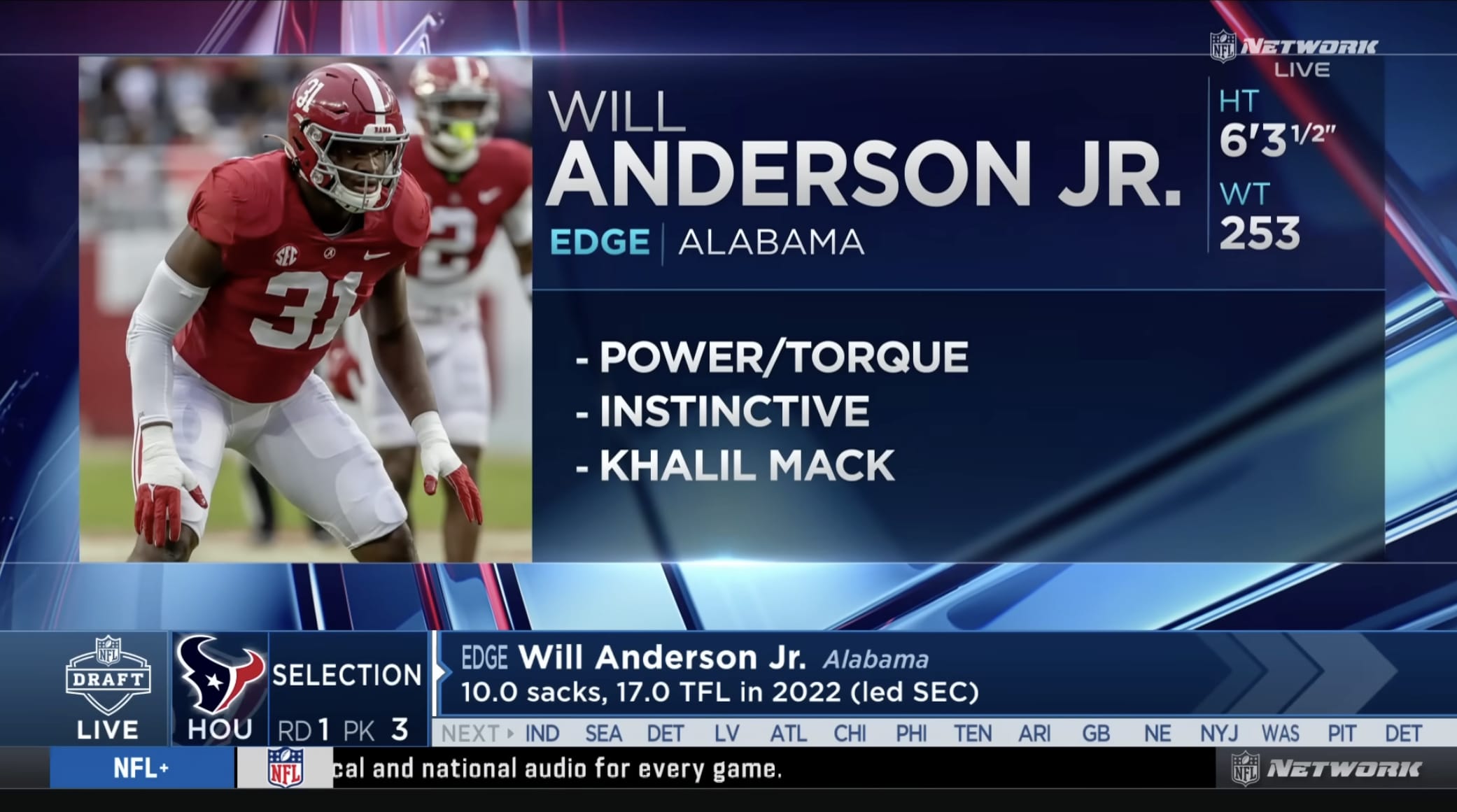
Under the current Collective Bargaining Agreement, first-round picks sign four-year deals, but teams hold a unilateral right to tack on a fifth year. This isn’t just an extra year of control; it is a fully guaranteed salary that can skyrocket based on a player’s snaps and Pro Bowl nods. For elite performers like Will Anderson Jr. or Jahmyr Gibbs, the decision is a formality. For others, it is a cold, hard evaluation of whether their production justifies a top-tier salary.
The Complexity of the Fifth-Year Decision
The deadline of May 1 serves as a definitive crossroads. By this point, teams have three full seasons of tape to determine if a player is a cornerstone or a “bust.” Interestingly, the 2023 class featured 31 selections rather than the standard 32, a byproduct of the Miami Dolphins’ forfeiture of their pick following tampering violations. This minor shift in the draft order didn’t lessen the pressure on teams like the Seattle Seahawks or Philadelphia Eagles, who found immediate defensive anchors in Devon Witherspoon and Jalen Carter, respectively.
The financial stakes are tiered. A player who makes two Pro Bowls on their original deal receives a fifth-year salary equal to the Franchise Tag transition tender. Meanwhile, those who simply meet playing-time requirements receive a lower, but still significant, sum. This creates a fascinating dynamic for “middle-of-the-pack” starters. Do you lock them in at a premium, or do you let them enter a contract year to see if they can finally find a higher gear?
Quarterback Conundrums and Skill Position Value
The 2023 class will ultimately be defined by its signal-callers. C.J. Stroud’s meteoric rise in Houston has made his eventual extension or fifth-year pickup a “no-brainer.” Conversely, teams with quarterbacks who have struggled with consistency or injuries face a much more difficult path. Declining an option doesn’t necessarily mean a player’s tenure is over, but it often signals the beginning of the end, as seen with numerous high-profile draft picks in years past.
We also see a shift in how teams value non-premium positions. The 2023 first round was notable for the early selection of running backs Bijan Robinson and Jahmyr Gibbs. While the “don’t draft RBs early” narrative persists, both players have become integral to their offenses. Their fifth-year options will be a litmus test for how the modern NFL values versatile, pass-catching backs who function more like hybrid receivers than traditional grinders.
Fifth-year option tracker
As teams navigate the salary cap and roster construction, the status of each 2023 first-rounder remains a moving target. Below is the comprehensive status of those players, reflecting which franchises have committed to their young stars and which are prepared to let the clock run out. This list serves as a direct reflection of a team’s drafting success and their vision for the 2027 season and beyond.
The intersection of scouting and salary cap management is never more visible than during this window. While some players have already cemented their status as “untradeable” assets, others are entering a “prove-it” phase where every snap counts toward their next professional chapter. For the class of 2023, the time for projection is over; the time for investment has arrived.