










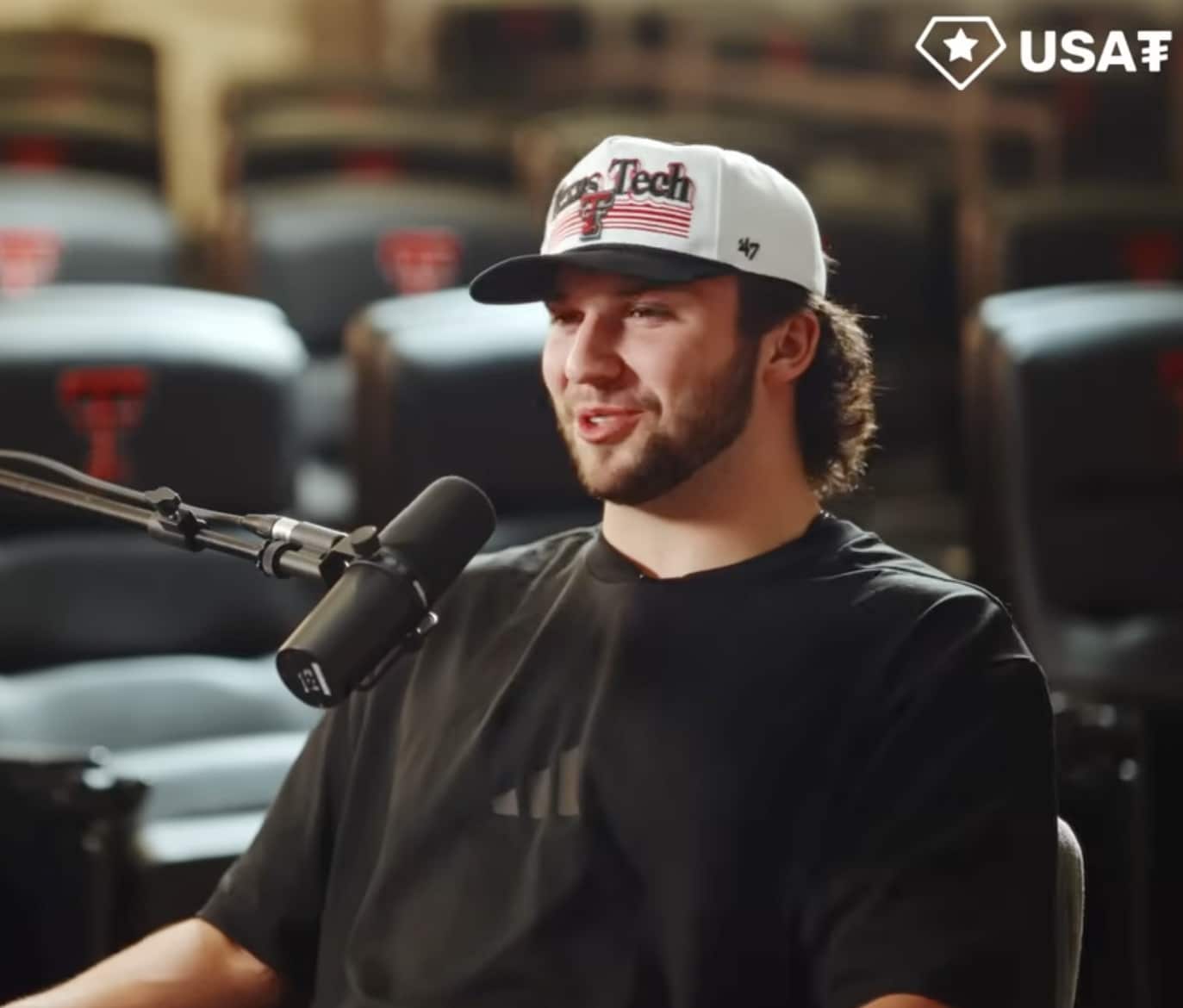
Texas Tech quarterback Brendan Sorsby has officially filed an injunction against the NCAA, seeking to secure his eligibility for the 2026 college football season. Sorsby, who is currently at the center of a gambling investigation, has enlisted the legal services of Jeffrey Kessler—the prominent attorney known for his pivotal role in the landmark House v. NCAA case—to challenge the governing body’s restrictions.
The legal maneuver aims for a resolution by June 15, positioned strategically one week before the June 22 deadline for the NFL Supplemental Draft. The urgency reflects the high stakes for Sorsby’s professional prospects and the Red Raiders’ upcoming campaign.
The NCAA’s investigation into Sorsby stems from allegations of betting activity during his tenure at Indiana. Currently, the quarterback is on an indefinite leave of absence from the Texas Tech program to undergo treatment for gambling addiction. While the NCAA has not issued a final ruling, Texas Tech recently announced that Sorsby has been deemed ineligible. This status is based on a “stipulation of facts” agreed upon by the university, the NCAA, and the player himself. Despite this, Texas Tech has expressed its commitment to pursuing a swift reinstatement process.
A central component of the legal filing is the assertion that Sorsby suffers from a clinically diagnosed mental health condition. The injunction argues that the NCAA is “weaponizing” a legitimate health struggle to maintain a “facade of competitive integrity,” all while the organization continues to benefit financially from the broader gambling landscape in sports.
In a statement provided to ESPN, the NCAA clarified its stance, noting that it has not yet received a formal request for Sorsby’s reinstatement. The association emphasized that its regulations regarding sports wagering are explicit, particularly concerning athletes betting on their own teams. According to the NCAA, these rules are essential to protecting the fairness of the game, a standard they claim is applied across all sports leagues to ensure a level playing field for every student-athlete.
The Critical Role of Sorsby in Texas Tech’s 2026 Ambitions
Sorsby entered the current transfer cycle as one of the most coveted prospects in the nation. After a standout season at Cincinnati where he threw for 2,800 yards, 27 touchdowns, and only five interceptions, he was ranked as a premier talent in the portal. His arrival in Lubbock was viewed as the cornerstone of Texas Tech’s aggressive offseason strategy to become a dominant force in the Big 12.
Texas Tech head coach Joey McGuire has publicly supported Sorsby, praising his bravery in seeking professional help for his addiction. McGuire noted that the program remains fully behind the quarterback as he focuses on his personal well-being. However, the uncertainty regarding Sorsby’s availability creates significant logistical challenges for the coaching staff.
The Red Raiders have reportedly invested heavily in their roster, with portal expenditures exceeding $5 million. Sorsby provides the veteran presence and playmaking ability required to navigate an expanded playoff format. If the injunction is successful, Texas Tech secures a proven starter capable of leading an uptempo offense. Without him, the team faces a vacuum at the most critical position on the field during a window where the program feels its championship aspirations are most attainable.
Evaluating the Red Raiders’ Depth and Alternatives at Quarterback
With Sorsby’s status in limbo, Coach McGuire provided an update on the team’s depth chart. Will Hammond, who was projected to serve as Sorsby’s primary backup, is currently recovering from injury. Hammond is expected to be fully cleared for football activities by August 21, which would potentially put him on track to be available for the Red Raiders’ Week 3 conference opener against Houston.
Hammond is no stranger to the system, having played a key role during last year’s successful conference run. Serving as the backup to Behren Morton, Hammond appeared in eight games as a redshirt freshman. During that stretch, he recorded 680 passing yards and seven touchdowns, while also proving to be a dual-threat asset with 299 rushing yards and five scores on the ground.
Broader Legal Consequences for the NCAA’s Regulatory Power
This case arrives at a time when the NCAA is struggling to maintain consistent enforcement of its eligibility and transfer rules. Following years of legal challenges regarding COVID-19 exemptions, transfer waivers, and junior college credits, the organization’s authority appears increasingly fragile.
A legal victory for Sorsby could further erode the NCAA’s ability to enforce strict eligibility mandates, reinforcing the idea that these rules are subject to change through litigation. As the collegiate landscape shifts toward a professionalized model, the outcome of this injunction will likely set a precedent for how mental health and personal conduct issues are handled in relation to athletic eligibility.
Summary of Key Findings
The legal battle between Brendan Sorsby and the NCAA represents a significant intersection of mental health advocacy and collegiate sports regulation. While the NCAA maintains that strict gambling rules are necessary for the integrity of football, Sorsby’s legal team argues that a clinical addiction should be treated as a health crisis rather than a disciplinary matter. For Texas Tech, the resolution of this case by mid-June will dictate whether they enter the 2026 season with a marquee quarterback or must rely on a developing depth chart to meet their championship expectations.